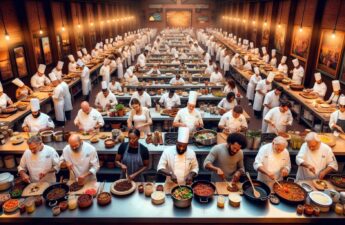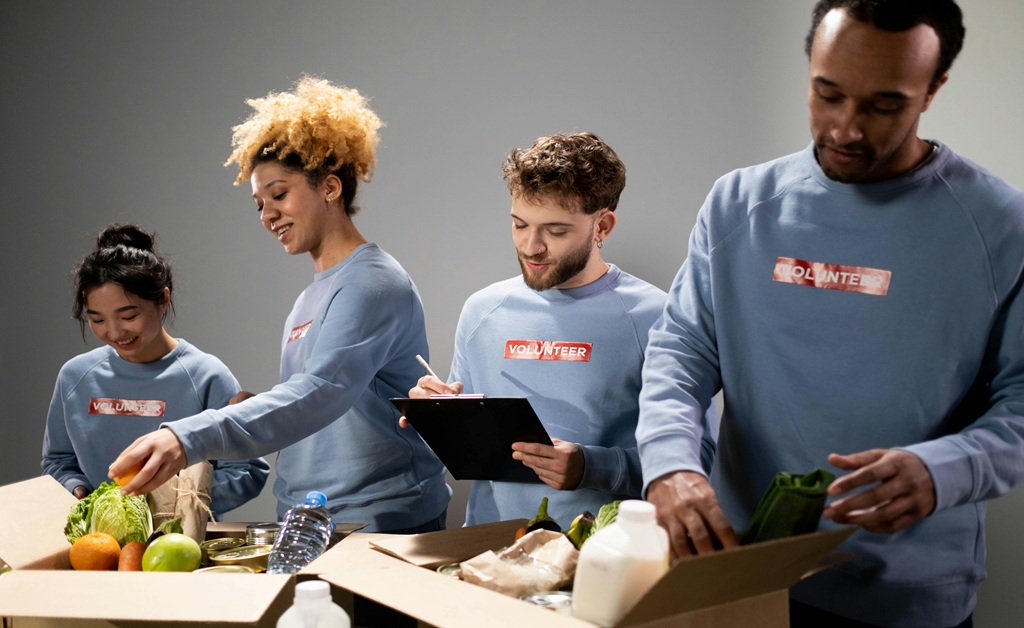
Ask any experienced nonprofit leader, and they’ll tell you the same thing: food brings people together in ways that spreadsheets and PowerPoint presentations simply can’t. Whether it’s a catered gala, a community chili cook-off, or a simple breakfast briefing, events built around food consistently draw bigger crowds, create stronger emotional connections, and open wallets more willingly.
Understanding how to harness that power is one of the most practical skills covered in executive director training courses, and for good reason – it works.
Food Creates a Sense of Occasion
There’s a psychological explanation for why events focused on food seem more significant. Sharing food is one of the most ancient ways for humans to connect, and by inviting donors to a meal or tasting event, you are activating something instinctual. All at once, this transforms from merely a fundraiser it’s now an experience. Individuals stay for extended periods, converse openly, and often exhibit greater generosity. A crowd that is well-nourished is an open crowd, which leads directly to contributions, commitments, and enduring connections.
Low-Budget Food Events That Still Make an Impact
A good food fundraiser does not need a chef or a fancy place. Some of the events are just simple and easy to understand. Think about a bake sale where people compete against each other or a dinner where everyone brings a dish that shows where they come from. You can also have a cookout, in a park.
The important thing is how it feels. The story you tell about the food. If your nonprofit helps a group of people you can use their culture to influence the food you serve. This will help people understand what you are trying to do and want to give you money. The food and the story should be connected to what your nonprofit does. This way the food fundraiser will be more meaningful. People will want to be a part of it.
Strategic Planning Makes All the Difference
Naturally, an excellent idea can only take you so far. Transforming a culinary event into a genuine fundraising triumph necessitates meticulous organization, reaching out to sponsors, coordinating volunteers, and making a clear request. This is the point at which leadership development becomes essential. Numerous nonprofit leaders who have participated in executive director training programs indicate that event strategy and donor cultivation were among the most directly applicable skills they gained. Understanding how to organize an event timeline, convey your influence, and present a persuasive argument for donations all while attendees savor dessert is truly attainable.
Engaging Local Restaurants and Food Businesses as Partners
A good idea for a nonprofit is to make friends with restaurants and food places that’re close by. Lots of people want to help out groups so they might give you gift cards to use for silent auctions or even pay for a whole event if they can get their name out there. This really helps your event budget and makes people think your event is a big deal.
When a popular local restaurant says they will help your fundraiser it tells people that your cause is worth supporting, and it also gives the restaurant a story to tell their customers. The nonprofit gets help. The restaurant looks good too, so it is a win for the nonprofit and the restaurant.
Turning One Event Into Ongoing Donor Relationships
The true benefit of food-centered fundraising goes beyond the donations collected on the event night it lies in the connections you create. Contact each participant within 48 hours. Share pictures, express gratitude personally, and provide them with a motive to remain in touch. If you execute your role effectively, they will recall their emotions from your event long after the food has been consumed, and that emotional recollection is what transforms a single-time donor into a dedicated supporter.
Food isn’t just a nice addition to your fundraising strategy it’s a powerful tool for connection, storytelling, and generosity. Whether you’re running your first event or refining a long-standing annual tradition, leaning into the power of shared meals can transform your results. And if you’re serious about growing as a nonprofit leader, seeking out executive director training courses that cover event strategy could be one of the best investments you make for your organization.